Table Of Content
It’s also worth acknowledging that alternative principles of instructional design are out there. In many cases, the recollection of previous material is also a great tool to allow a trainer to assess participants’ existing knowledge or skill level. You can use this to tailor the learning experience and to measure the impact of your course – for example, running a short quiz at the beginning and end of the training and seeing how the results change.
Instructional Design Process
The ARCS acronym stands for Attention, Relevance, Confidence, and Satisfaction. According to this model, those four are the main areas we should take care of on the path to supporting student motivation. Lastly, we come to Active Experimentation, where new knowledge is applied, actually or in a simulation or role play, to real world problems and scenarios. People will benefit more, or less, from different parts of the course, depending on their learning style. Essentially, the ideas are quite similar to the 4MAT model, but I find this model easier to apply to online course design.
This article was published April 2022 and was updated June, 2023 to include more resources.
While there are subcategories within each, each stage lies on a continuum. No matter how much time and effort you put into your course design, that doesn’t guarantee your first shot will be a home run. The good news is that armed with student and institutional feedback, you can take steps to revisit and improve your course. Maybe that assessment didn’t hit on all the important topics, or you need to inject more learner-to-learner interaction throughout the course modules. Examining your course critically will allow you to improve learner outcomes and learn something new you can put into play next time.
Related Content
No matter which theory or theories you decide to use, make sure all your development is learner-centered and accounts for the diversity of learning styles. Lastly, good instructional design for online learning also embraces the principle of assessment for learning. Rather than using assessments solely as a measure of how much a student has learned, they can be employed as tools to actually guide (personalise) and improve learning. Assessments for learning might include regular formative assessments, peer-review activities, and opportunities for self-assessment, all geared towards providing feedback and informing future learning. Instructional design is a term used to describe evidence-based strategies and techniques for developing and delivering learning experiences. A learning experience is a broad term that encompasses anything where learning is involved, including courses, presentations, tests and quizzes, and support materials.
ADDIE
The next step for the course architect is creating a program that takes learners’ needs into account and ensures they can reach the learning outcomes. The lesson plan, course material, exercises and assessments are all put together at this stage. Gagné’s theory organizes the learning experience into a complete, 9-stage process that supports learning and retaining new knowledge or skills. Each includes a unique set of guidelines that organize creating educational experiences into a streamlined and scalable process based on best practices backed by research. Blended learning designs, which we’ve discussed in this blog article, are part of the solution to the challenge of keeping learners motivated and engaged. Small group learning can help the learning process by keeping participants accountable.
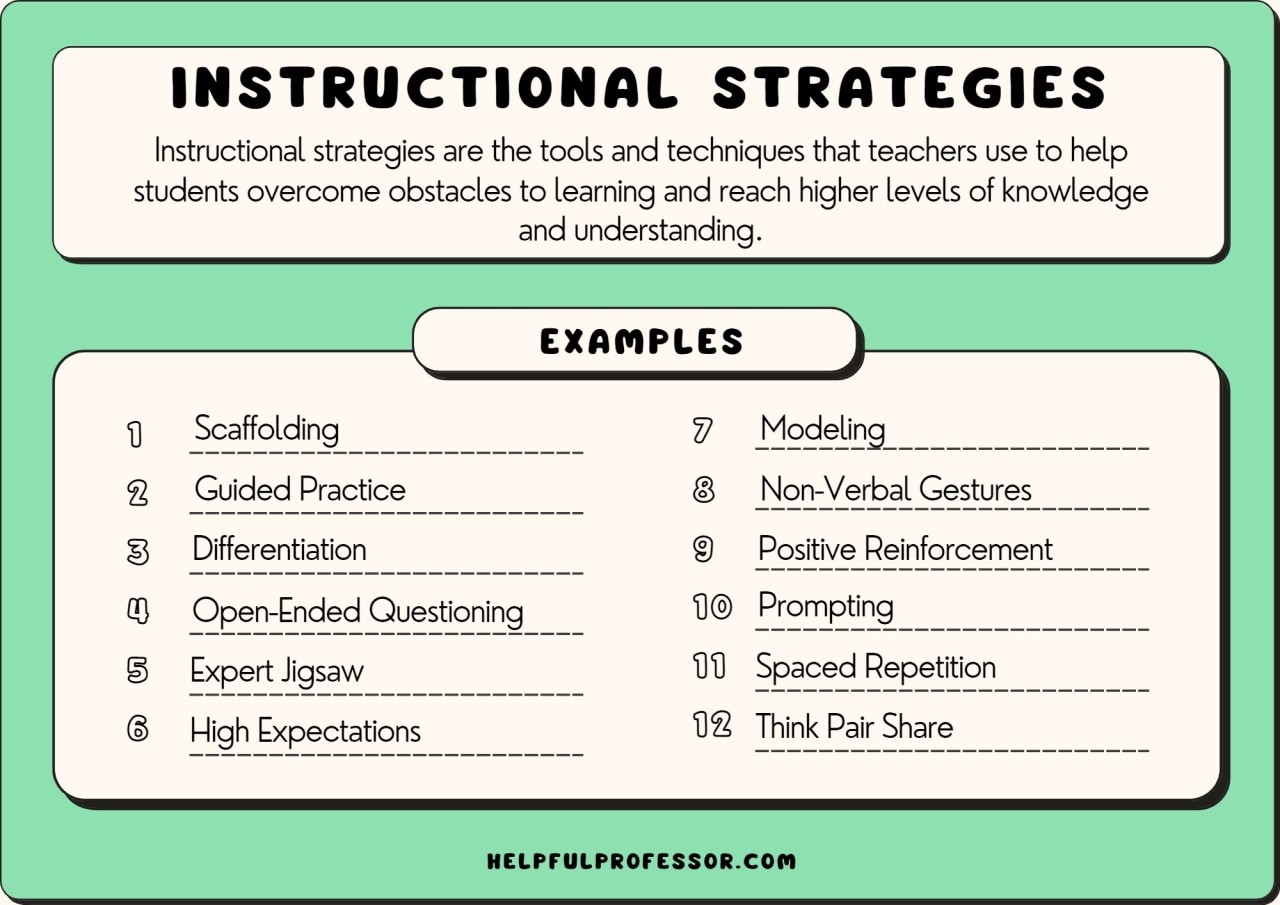
Theories about how people learn, and instructional design models based on those theories, help instructional designers develop materials that inspire effective and engaging learning experiences. These learning experiences enable people to acquire and retain new knowledge and skills. Without instructional design models, instructional designers and learning leaders would be flying blind when building learning experiences.
New book brings instructional design to online teaching - Inside Higher Ed
New book brings instructional design to online teaching.
Posted: Tue, 10 Jul 2018 07:00:00 GMT [source]
The first three steps of this model are very much the Analysis phase of ADDIE. However, this model does not include later-state evaluation or assessments. But the reverse is also true—even the most dynamic and capable LMS can’t compensate for poor instructional design. The RAT model is unique because of its focus on bringing technology into the classroom—and not just as distractions for bored pupils, but rather as powerful learning tools. Personal computers were becoming more accessible, ushering in the era of online learning or e-learning. There are several terms in instructional design that are used interchangeably.
SAM (Successive Approximation Model)
The topics of these quizzes will be determined by the content of your instructional material, so you must first set up your courses before enabling this feature. With EdApp, gamifying your instructional material doesn’t have to be expensive or time-consuming. It has in-built game templates ready to be populated with your learning content – no programming or coding needed. This instructional design example regularly sees completion rates of up to 90%, which is far higher than a traditional courseware. This is primarily because gamified learning turns your core content into a game context, which is undoubtedly more fun and engaging than just a simple PDF or PowerPoint presentation.
Beyond these core principles, most instructional designers will use a tool such as the ADDIE model to effectively project manage the process of creating a completed learning experience. You can use the instructional design models discussed above to create an instructional environment and educational material that will guide learners to achieve their learning/ training objectives easily. The primary purpose of an instructional design document (IDD) is to help you build out and create effective learning experiences. A good instructional design document contains enough information that a knowledgeable other (e.g. someone with similar knowledge of the topic and instructional design skills) can build the learning experience. IDDs might contain different sections and levels of information based upon the length of the training experience and the delivery format.
Bloom’s Taxonomy is an instructional design model created by American educational psychologist Benjamin Bloom in 1956. The Kemp model encourages designers to see everything from the learners’ point of view so that their needs, priorities, and constraints are what the course is designed around. This chapter from the Pennsylvania State University’s instructional design handbook gives a good overview of how the Kemp model works.
There’s more student involvement, whether with physical material or through interactive or web-based lessons. It always starts with understanding the situation, goals and objectives and it always ends with an evaluation. Action Mapping is a visual approach to instructional design developed by American training designer Cathy Moore.
Then you create a large colorful job aid that the employees can quickly consult if they aren't sure a return is valid. You stick this job aid to the desk in two places the sales team can see it. First, they’re often given back to participants to either congratulate them or provide an opportunity to retake an assessment or deepen their learning.




No comments:
Post a Comment